Living with lipoedema can involve periods when pain, tenderness, heaviness, swelling related discomfort, fatigue or stiffness become more noticeable.
Some women describe these periods as a “flare up”. There may not always be an obvious trigger, but hormonal changes, illness, travel, prolonged sitting or standing, increased activity, poor sleep and changes to your usual routine may play a role.
During these periods, adjusting your conservative management routine may help improve comfort and maintain mobility.
What can a lipoedema flare up feel like?
Some women describe periods when their usual lipoedema symptoms become more noticeable or harder to manage as a “flare-up”.
You may notice more pain or tenderness, heaviness, pressure, stiffness, fatigue, swelling related discomfort or sensitivity to touch. You may also find that activities you normally manage comfortably become more difficult.
New or unusual symptoms should not automatically be attributed to lipoedema. Sudden or significant changes should be medically assessed.
What should you do first when symptoms feel worse?
There is no single approach that will suit everyone. For many women, compression, gentle movement, adequate rest and lymphatic support are useful places to start.
You may need to modify your normal routine rather than stop it completely. What is appropriate will depend on your symptoms and individual management plan.
Use appropriately fitted compression
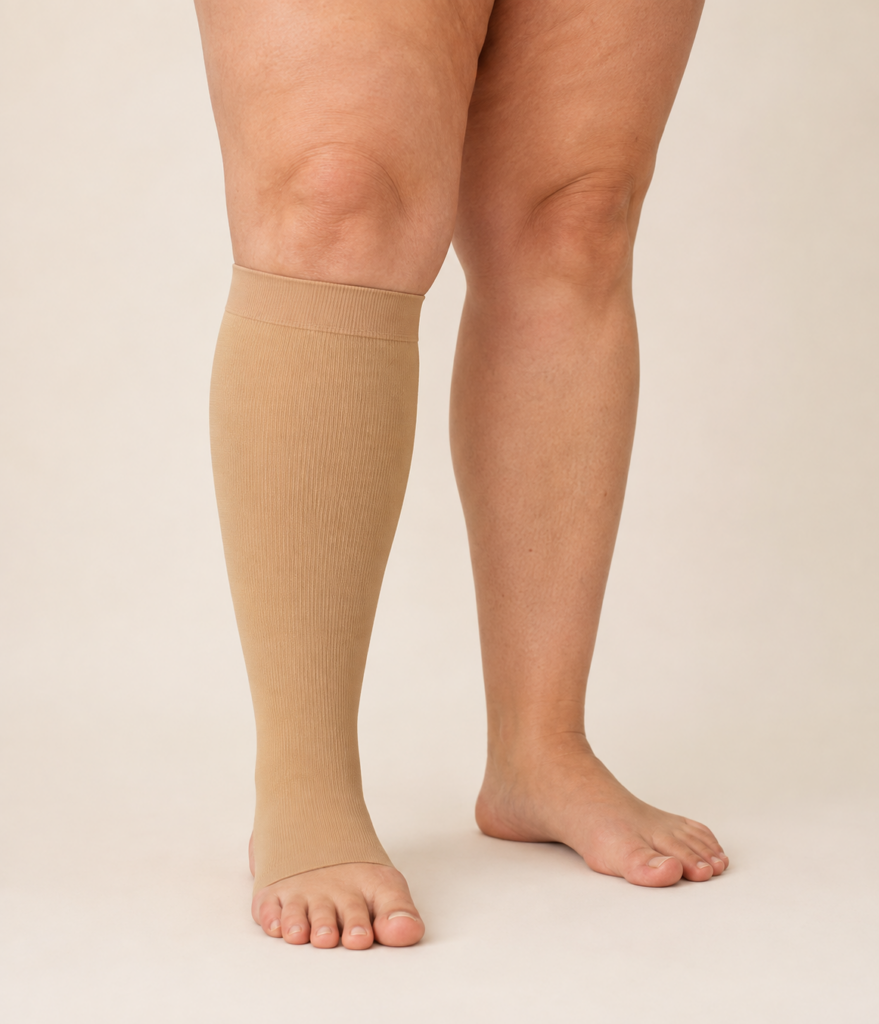
Compression therapy for lipoedema is one of the most commonly recommended strategies for managing swelling and discomfort.
Compression garments are designed to support circulation and help reduce fluid accumulation in affected limbs.
Appropriately fitted compression may help encourage lymphatic fluid movement, reduce swelling, support tissue stability and improve comfort during daily activities. Compression can be particularly helpful after travel, prolonged sitting or standing, increased activity or a disruption to your usual routine.
The most suitable garment and level of compression will depend on your individual symptoms and stage of care. A suitably qualified healthcare professional can help you understand how compression may fit within your broader management plan
Keep moving, but adjust your activity
When your legs feel heavy or tender, stopping activity altogether can be tempting. However, complete inactivity may contribute to stiffness and reduced mobility.
Walking, stretching, swimming, water-based exercise and light resistance activity may be suitable for some people. During a flare up, consider shortening your usual activity, reducing the intensity or spreading movement across smaller periods throughout the day.
The aim is not to push through pain but to choose a level of activity that is manageable for you.
Make room for rest and recovery
While movement is highly recommended, rest is also an important part of symptom management.
Following illness, travel or increased physical activity, you may benefit from additional recovery time. This could mean adjusting your schedule, taking regular breaks or reducing your usual workload for a short period.
Movement and rest can work together. The balance may simply need to change when your symptoms are more noticeable.
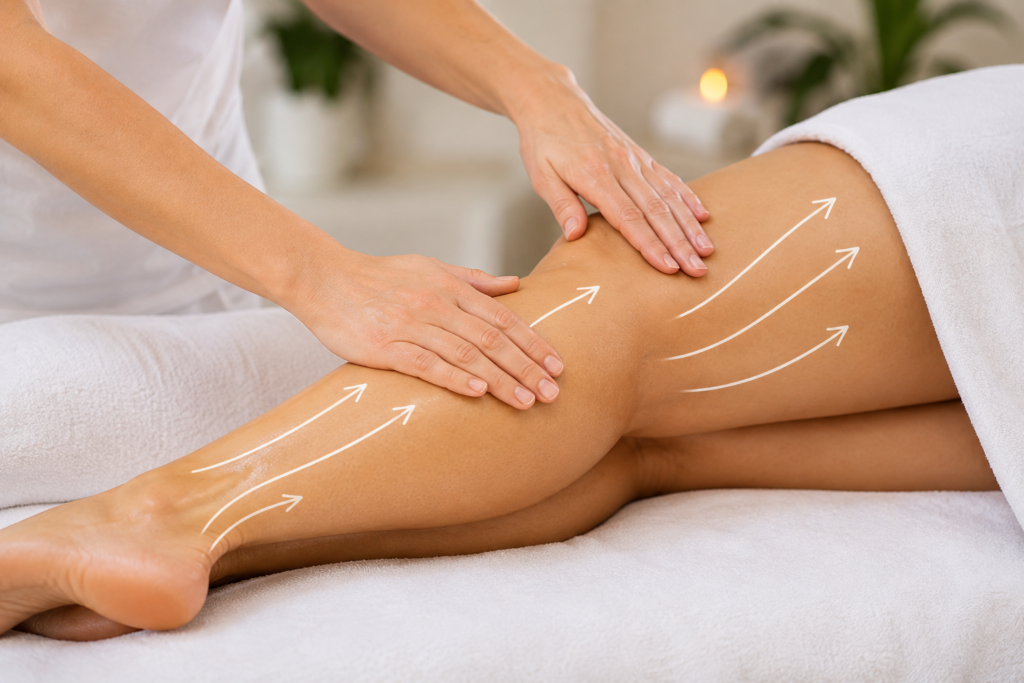
Consider gentle lymphatic support
Manual lymphatic drainage and gentle self-management techniques may form part of conservative care for some women.
These techniques should be light and appropriate for your individual presentation. Deep or painful massage is not the same as manual lymphatic drainage and may aggravate sensitive tissue.
A trained lymphoedema or lipoedema therapist can advise whether lymphatic techniques are suitable for you.
Notice patterns in your symptoms
Understanding your own patterns may help you identify circumstances associated with more difficult periods.
A simple symptom diary can record pain, tenderness, heaviness, sleep, hormonal changes, illness, travel, activity and compression use. You can also note what appeared to improve your comfort.
This does not need to become constant symptom monitoring. The aim is to gather useful information that you can discuss with your healthcare team if your symptoms are changing.
Maintain regular meals and sleep
A flare up is generally not the time to introduce a highly restrictive diet or make major changes to your eating habits. There is no single diet proven to cure lipoedema, however, an anti-inflammatory diet has been proven to reduce inflammation which may reduce the severity of some symptoms.
Focus on regular meals and an eating pattern that supports your broader health. A dietitian familiar with lipoedema can provide individual advice where needed.
Sleep is also important. Pain and discomfort can interfere with rest, while poor sleep may contribute to fatigue and make symptoms harder to manage. A consistent bedtime, comfortable positioning and a simple wind down routine may help.
If pain regularly disrupts your sleep or you experience ongoing fatigue, discuss this with your healthcare professional.
Avoid quick fixes
While it seems tempting, when symptoms increase, be cautious about treatments promising rapid relief.
Forceful massage, exercise that significantly aggravates pain, poorly fitted compression, extreme dietary restriction or treatments that cause dehydration, skin damage or exhaustion may make symptoms more difficult to manage.
Medications, diuretics and supplements should not be used specifically for lipoedema symptoms without appropriate medical advice.
When should you seek medical advice?
Speak with a healthcare professional if symptoms are new, worsening, becoming more frequent or significantly affecting your mobility, sleep or daily activities.
You should also seek advice if your usual management strategies are no longer helping or you are unsure whether a change is related to lipoedema.
Sudden swelling in one leg, redness, warmth, severe pain, chest pain or shortness of breath requires prompt medical attention and should not be assumed to be a lipoedema flare up.
Managing a difficult symptom period
Your usual routine may need to change when symptoms are more noticeable. This might mean wearing your compression, reducing the length of a walk, choosing gentler movement, allowing additional recovery or seeking advice from your healthcare team.
The aim of conservative management is not to follow a perfect routine. It is to use strategies appropriate to your needs to help manage symptoms, maintain mobility and support your overall health.
If your symptoms are changing or becoming more difficult to manage, your healthcare team can help review your current approach.
Contact our team to learn more about the Lipoedema Surgical Solution care pathway.