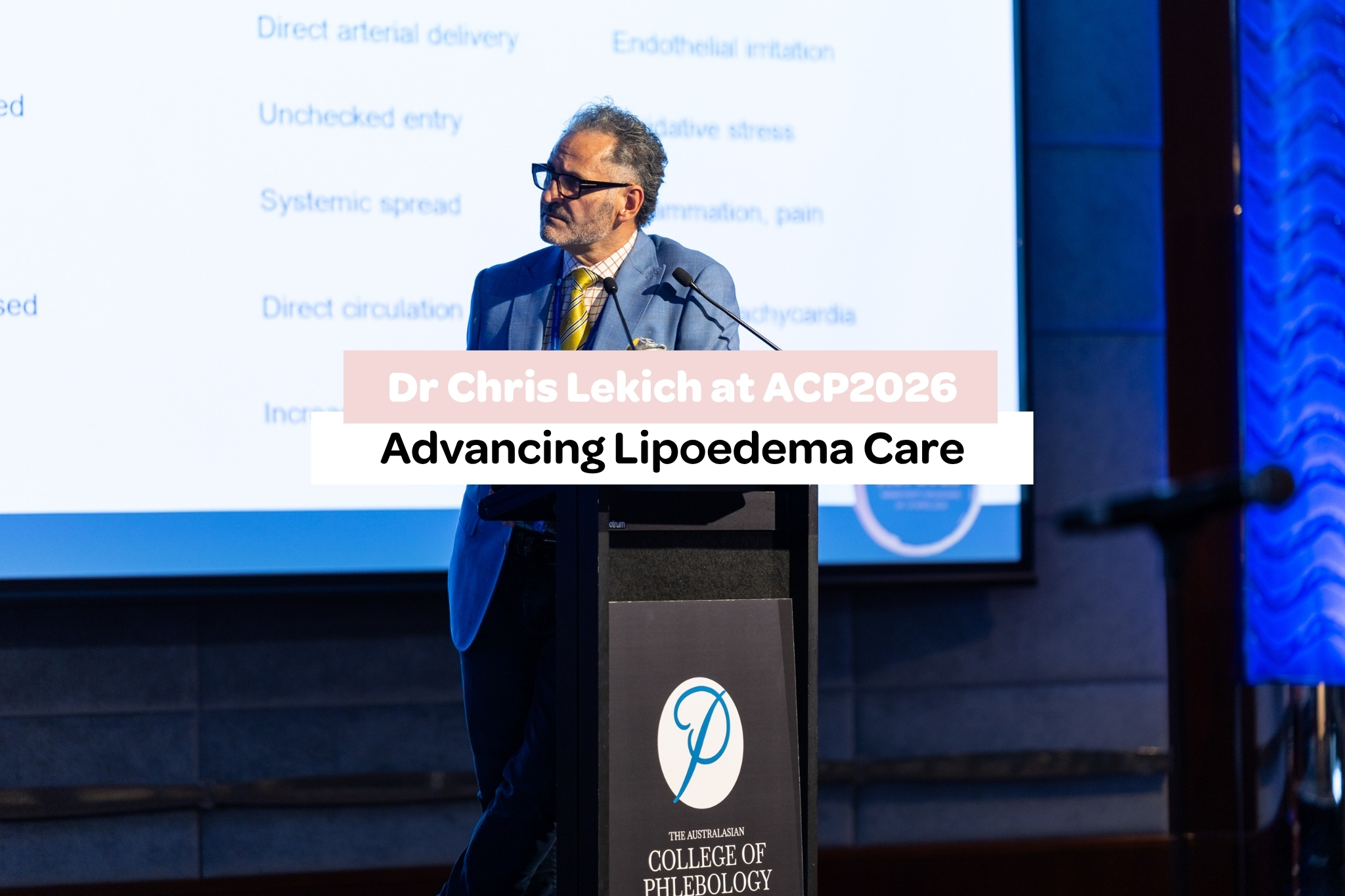
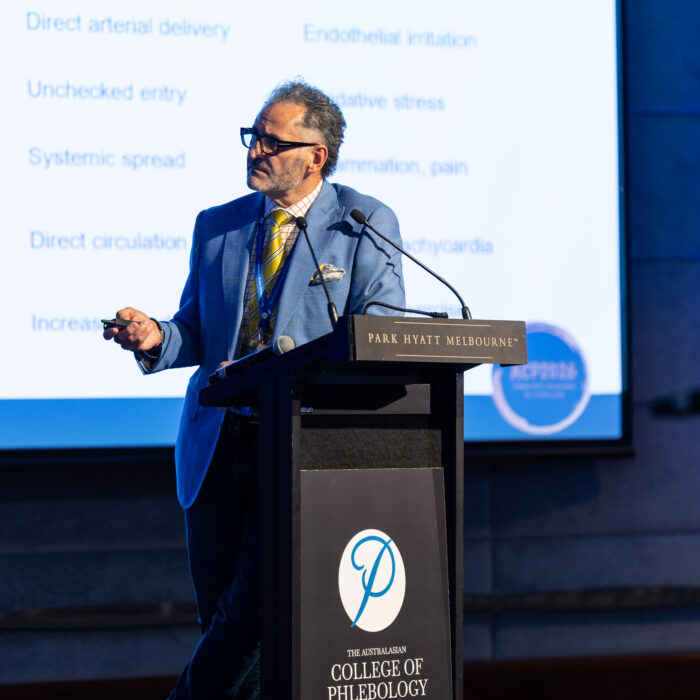
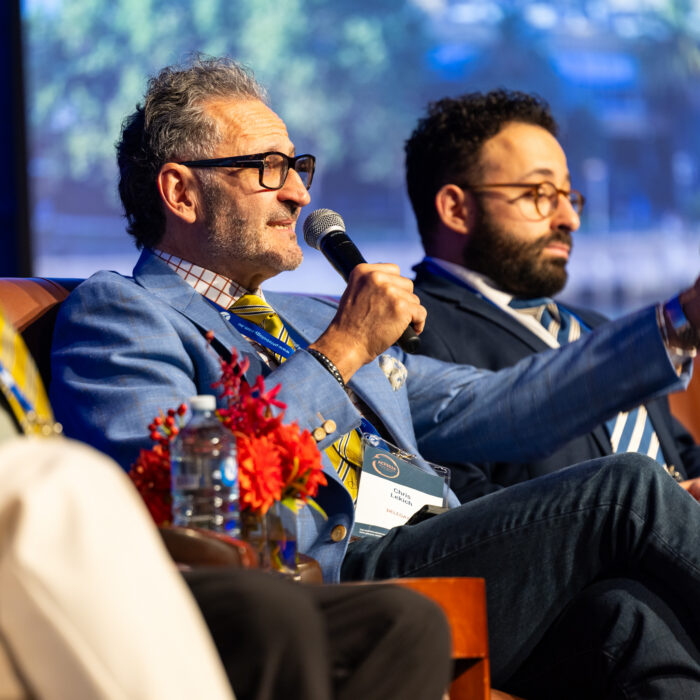
In April 2026, Dr Chris Lekich travelled to Melbourne to present at ACP2026. The annual conference of the Australasian College of Phlebology, bringing together vein and lymphatic specialists from across the Asia-Pacific region. Among his presentations, one stood out as particularly meaningful for anyone living with lipoedema.
Lipoedema is not just a fat problem - and that changes everything
One of the most important things Dr Lekich shared with fellow specialists at the conference is something he tells his patients too: lipoedema is not simply a problem with fat. It is a condition that affects the blood vessels, the lymphatic system, and causes ongoing inflammation throughout the body. All three of these systems are involved, and all three need to be considered when planning care.
This is why so many women with lipoedema spend years being told their symptoms are due to weight, poor diet, or lack of exercise, when in fact something else is going on entirely. Lipoedema is estimated to affect around 11% of women, yet it remains widely misunderstood and misdiagnosed.
Why vascular specialists are well placed to help
Dr Lekich’s presentation made the case that phlebologists — doctors who specialise in veins and the lymphatic system — are uniquely equipped to understand and treat lipoedema. Because the condition involves the same systems these specialists work with every day, they are often better placed to identify what has been missed and to offer a care pathway that can genuinely help.
In fact, many of these patients are already walking into vein clinics. They have been for years. They just haven’t always been recognised.
A thorough approach to assessment and surgery
Dr Lekich shared the assessment and surgical approach he has developed over many years and more than 1,600 surgeries. Before any procedure, patients undergo thorough investigation to understand how their vascular and lymphatic systems are functioning. A team of specialists works together to ensure nothing is missed.
Part of that assessment includes screening for a heart condition called a patent foramen ovale, or PFO. This is a small natural opening between the two sides of the heart that fails to close after birth — something present in roughly one in four adults. In most people it causes no issues at all. But during lipoedema surgery, which involves many passes of a surgical instrument through the tissue, there is a small risk that tiny particles could enter the bloodstream. In patients with a significant PFO, those particles could potentially bypass the lungs and reach the brain or other organs. Identifying this before surgery allows the team to plan accordingly and keep the procedure as safe as possible.
Across more than 1,600 surgeries, Dr Lekich’s outcomes have included zero deaths, zero strokes, and zero pulmonary emboli. It is a record that reflects not just surgical skill, but a careful, methodical approach to understanding each patient before operating.
What this means for you
Presenting this work to a room of specialists is part of something bigger. The more doctors who understand lipoedema, the more patients get the right diagnosis, the right care, and a genuine path forward. For too long, women have been misdiagnosed and misunderstood but that can change!
In the coming months, Dr Lekich will be welcoming colleagues from across the phlebology community to observe his theatre and clinic days because when more specialists see this work firsthand, more women with lipoedema get the care they deserve.
For patients, this matters because education at a specialist level can slowly change what happens in consulting rooms across the country, helping more women feel believed, properly assessed, and supported with care that reflects the complexity of lipoedema.