
For countless women, the journey to understanding their body begins with frustration. They notice their legs or arms enlarging in a way that feels different from normal weight gain. They bruise easily, feel pain, and no matter how hard they diet or exercise, nothing seems to change. Yet when they seek medical advice, many are told the same dismissive phrase: “It’s just fat.”
The reality is often very different. For up to 9% of women worldwide, these changes may be signs of lipoedema, a chronic condition that remains widely underdiagnosed and misunderstood. Recognising the early signs of lipoedema can make all the difference in finding the right support and treatment.
Why Lipoedema Is Misdiagnosed
One of the biggest challenges in lipoedema is the lack of awareness. Because the condition primarily affects women and appears as disproportionate fat storage, it is often mistaken for obesity. Many women spend years, or even decades, being told they simply need to lose weight.
This can be deeply discouraging, especially when traditional approaches like diet and exercise do not create much change in the size or shape of the legs and arms affected by lipoedema. What’s more, this misunderstanding can delay proper diagnosis and treatment, allowing the condition to progress.
Early Signs of Lipoedema to Look Out For
While every person is different, the early signs of lipoedema often include:
- Symmetrical fat distribution: Both legs (and sometimes arms) enlarge evenly, while the hands and feet remain unaffected.
- Pain and tenderness: The affected areas often feel sore to touch or heavy, unlike the painless fat of typical weight gain.
- Easy bruising: Women with lipoedema often notice frequent bruising, even without significant knocks or bumps.
- Diet and exercise resistance: Fat in lipoedema-affected areas does not respond to calorie restriction, leaving women feeling frustrated and blamed for “not trying hard enough” or lying about what they eat.
- Progression over time: Symptoms often worsen, with increased pain and mobility challenges if untreated.
These symptoms make lipoedema distinct from standard weight gain or obesity. Understanding these differences is the first step toward getting the right help.
The Emotional Impact of Being Dismissed
Hearing ‘it’s just fat’ doesn’t just delay diagnosis, it can have lasting emotional effects. Many women report:
- Feeling shame and guilt about their body.
- Believing they are personally responsible for their symptoms.
- Losing trust in the medical system after years of being unheard.
Recognising lipoedema as a legitimate condition helps remove this stigma. It shifts the narrative from personal failure to medical reality and offers a path forward.
Why Early Diagnosis Matters
Catching lipoedema early can change the trajectory of the condition. Early interventions such as:
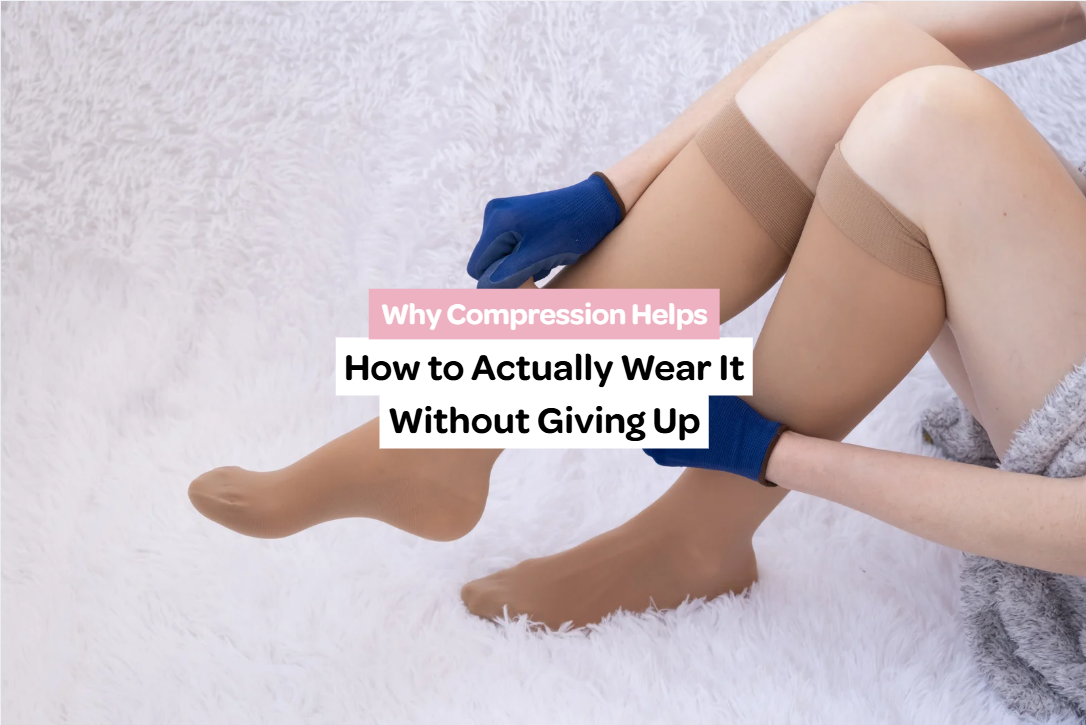
- Compression garments to support lymphatic flow and reduce symptoms
- Manual lymphatic drainage (MLD)
- Specialised exercise programs
- Lifestyle adjustments
These interventions can slow progression, reduce pain, and improve quality of life.
The key is knowing what to look for and seeking care from doctors who understand the condition.
Final thoughts
If you’ve ever been told ‘it’s just fat’ but felt that something deeper was happening in your body, you are not alone. Many women with lipoedema have shared the same experience before finding answers.
At Lipoedema Surgical Solution, we are committed to raising awareness and helping women take control of their health journey. Lipoedema is not your fault, and you deserve to be heard, supported, and properly cared for.
Thinking about getting a diagnosis?