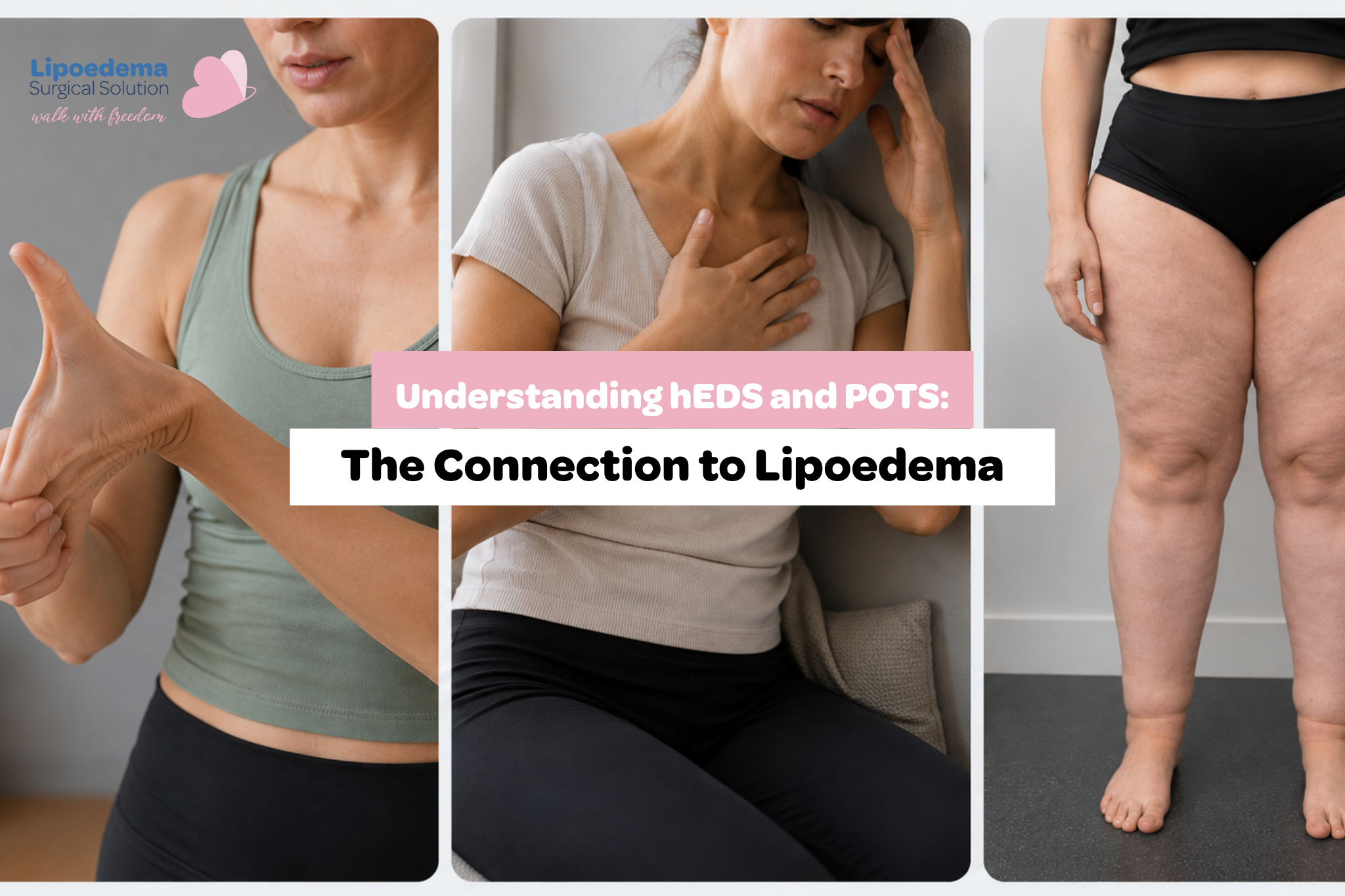
Lipoedema can occur alongside other health conditions. Two that are increasingly discussed in relation to lipoedema are hypermobile Ehlers-Danlos syndrome (hEDS) and postural orthostatic tachycardia syndrome (POTS).
These are separate conditions with different diagnostic criteria. However, researchers and clinicians have identified areas of overlap, particularly involving connective tissue, circulation and joint hypermobility.
Understanding these conditions can help people recognise symptoms that may warrant further assessment.
What is lipoedema?
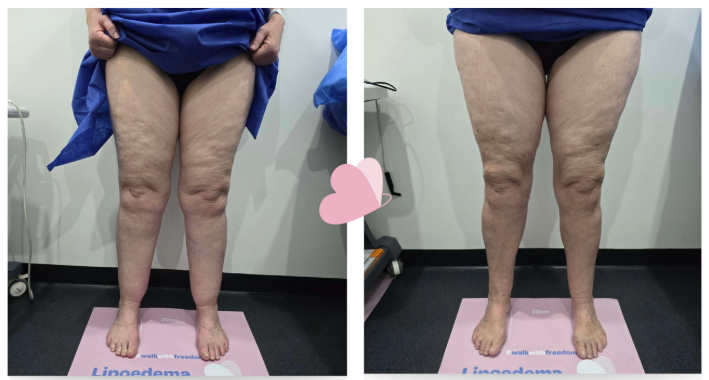
Lipoedema is a chronic condition characterised by a disproportionate accumulation of adipose tissue, most commonly affecting the legs, hips and sometimes the arms.
The affected areas can be painful or tender, may bruise easily and can feel heavy or swollen. A noticeable disproportion between the affected limbs and the rest of the body is also common.
Lipoedema predominantly affects women and can occur within families. Research continues into the condition, including the role of connective tissue, the vascular system and the lymphatic system.
What it hEDS?
Hypermobile Ehlers-Danlos syndrome (hEDS) is a connective tissue disorder.
Connective tissue provides structure and support throughout the body, including within the joints, skin and blood vessels. In people with hEDS, this tissue can behave differently, contributing to features such as joint hypermobility, joint instability, recurrent injuries, chronic musculoskeletal pain, easy bruising and skin changes.
There is currently no single test that confirms hEDS. Diagnosis is based on established clinical criteria and assessment by an appropriately qualified health professional.

What is POTS?
Postural orthostatic tachycardia syndrome (POTS) is a form of autonomic dysfunction.
The autonomic nervous system helps regulate functions such as heart rate, blood pressure and circulation. In POTS, the heart rate increases excessively after moving into an upright position.
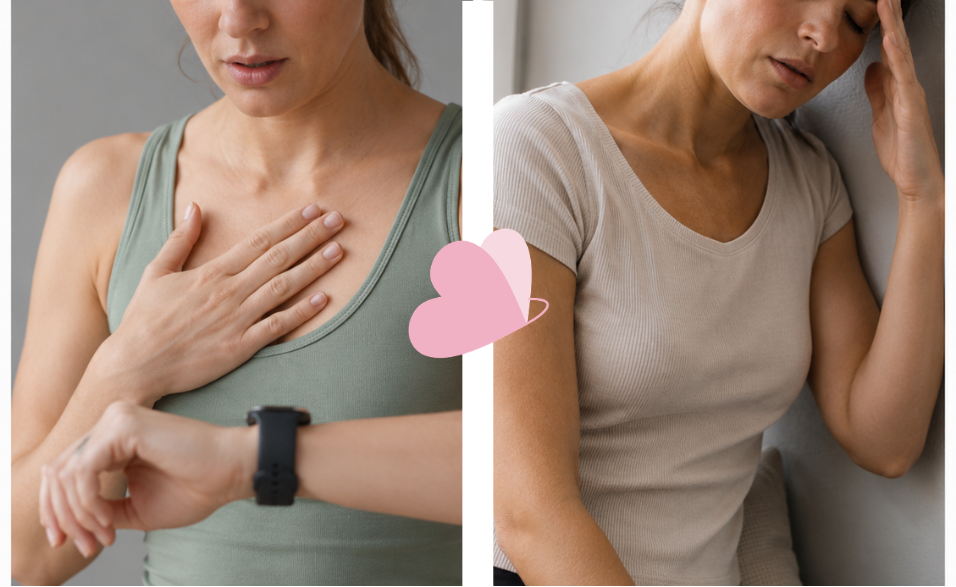
People with POTS may experience dizziness or light-headedness when standing, palpitations, fatigue, difficulty concentrating, exercise intolerance and, in some cases, fainting or near-fainting.
These symptoms can occur for a number of reasons, so POTS requires appropriate medical assessment rather than being diagnosed on symptoms alone.
What connects hEDS and POTS?
An association between joint hypermobility disorders, including hEDS, and POTS has been reported in the medical literature.
One possible explanation involves connective tissue and the way blood is returned from the lower body when standing. If the tissues supporting the blood vessels are more compliant, blood may pool more readily in the legs and abdomen. The body may then increase the heart rate to help maintain circulation.
However, POTS is complex and there are several possible mechanisms involved. Connective tissue differences are only one proposed explanation.
Where does lipoedema fit?
Joint hypermobility and connective tissue differences have also been reported in some people with lipoedema.
This has led researchers to investigate whether connective tissue may contribute to some of the characteristics seen in lipoedema. Hypermobility and autonomic conditions such as POTS may also be present in some people with lipoedema, although the relationship between these conditions is still being investigated.
At this stage, the relationship is not fully understood. Having lipoedema does not mean that someone has hEDS or POTS, and the presence of one condition does not establish a diagnosis of another.
Further research is needed to understand how frequently these conditions overlap and whether there are shared underlying mechanisms.
Why recognising other symptoms matters
Lipoedema can involve more than changes in adipose tissue alone. Symptoms relating to joints, circulation or the autonomic nervous system may need to be considered separately.
It may be worth discussing further assessment with your GP or treating health professional if you experience symptoms such as:
- unusually flexible or unstable joints
- frequent dizziness or a rapid heart rate when standing
- fainting or near-fainting
- significant exercise intolerance
These symptoms do not necessarily mean that hEDS or POTS is present. They may simply indicate that further investigation is appropriate.
Looking at the whole picture
At Lipoedema Surgical Solution, our approach begins with understanding the individual rather than looking at lipoedema in isolation.
Assessment may include consideration of symptoms, medical history, circulation, venous health and other factors that may influence a person’s management pathway.
Where symptoms suggest another condition may be present, further assessment or referral to an appropriate health professional may be recommended.
If you would like to better understand lipoedema and the Lipoedema Surgical Solution pathway, you can join our Lipoedema Education Session or contact our team on 1800 367 534.
This article provides general information only and is not a substitute for individual medical advice. Lipoedema, hEDS and POTS require appropriate assessment by qualified health professionals.