If you’ve been searching for a “lipoedema doctor near me”, you’re not alone.
Many women begin by noticing changes in their legs or arms that don’t seem to respond to traditional weight management approaches. For some, these changes develop gradually over time. For others, they may appear more noticeably during periods of hormonal change.
Because awareness of lipoedema is still growing, it’s common to feel unsure about what these symptoms mean or where to seek guidance.
This guide explains how people often arrive at a lipoedema assessment, what a doctor for lipoedema does, how diagnosis works, and what to consider when choosing a clinic.
Why Many Women Begin Looking for Answers
Before searching for a “lipoedema doctor near me”, most people are simply trying to understand why their body is changing in a way that doesn’t feel typical.
You may notice that:
Your legs or arms are enlarging in a way that feels disproportionate
Symptoms don’t respond as expected to diet or exercise
There is discomfort, heaviness, or tenderness that is difficult to explain
Because lipoedema awareness is still limited, many women spend time exploring different explanations or receiving advice that doesn’t fully account for their experience.
Over time, as patterns become more noticeable or persistent, this often leads to seeking further medical clarity.
Signs That May Indicate the Need for a Lipoedema Assessment
While only a medical assessment can determine what is occurring, certain patterns may prompt further investigation.
Common signs include:
Symmetrical enlargement of the legs or arms
Painful or tender fat tissue
Easy bruising without clear cause
A feeling of heaviness in the limbs
Fat accumulation that appears to stop at the ankles or wrists
If these symptoms feel familiar, seeking a lipoedema assessment may help provide clarity and direction.
What Does a Doctor for Lipoedema Actually Do?
A doctor for lipoedema focuses on understanding whether your symptoms align with the condition, while also considering other possible causes of swelling or limb enlargement.
This process typically begins with a detailed assessment, including a review of your medical history, an evaluation of fat distribution patterns, and an examination of clinical features associated with lipoedema. In some cases, further investigations may be considered to support a more complete understanding of your symptoms.
The aim is to provide clarity around what may be occurring and guide appropriate next steps.
How Lipoedema Is Assessed and Diagnosed
Many patients ask how lipoedema diagnosis works. In most cases, it involves a combination of clinical assessment and, where appropriate, imaging.
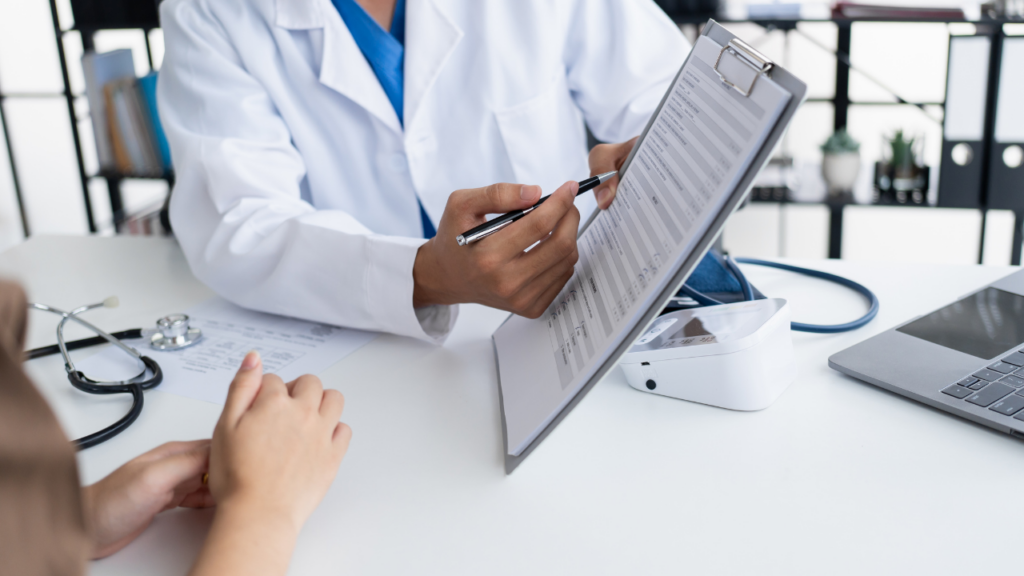
Medical History Review
A lipoedema assessment begins with a detailed medical history. Your doctor will explore when your symptoms first appeared, whether there is a family history of similar body patterns, and how your body has responded to hormonal changes such as puberty, pregnancy, or menopause.
Symptoms including pain, bruising, or swelling are also considered, helping to build a clearer picture of how your condition may have developed over time.
Physical Examination
A physical examination focuses on understanding how the condition presents in your body. This includes assessing fat distribution patterns, skin texture, and areas of tenderness.
Your doctor may also evaluate whether the feet or hands are affected, as this can help distinguish lipoedema from other conditions such as lymphoedema.
Diagnostic Imaging
In some cases, ultrasound imaging may be incorporated as part of the assessment.
This can assist in identifying underlying venous conditions, secondary lymphoedema, or other vascular factors contributing to swelling. Imaging supports a more comprehensive and informed approach to diagnosis.
What to Look for in a Lipoedema Doctor or Clinic
When searching for a “lipoedema doctor near me”, it’s important to look beyond location alone.
Because lipoedema is not widely covered in standard medical training, experience can vary. A clinic with a focused understanding of lipoedema will typically have experience in assessing fat distribution patterns alongside venous and lymphatic health.
Structured assessment pathways, clear explanations, and guidance around management options are also important indicators of a clinic experienced in this area.
Telehealth and Modern Lipoedema Clinics
Many clinics now offer telehealth as an initial step in the assessment process. This can provide an opportunity to discuss symptoms, review your medical history, and gain a clearer understanding of whether further in-person assessment may be appropriate.
For many patients, this serves as a practical and accessible first step toward understanding their condition.
Lipoedema Management Options
If lipoedema is diagnosed, management typically focuses on supporting lymphatic health and addressing symptoms.
Approaches may include:
Compression Therapy
Flat knit compression garments may be recommended to support circulation and manage swelling.
Manual Lymphatic Drainage (MLD)
MLD is a specialised therapy designed to support lymphatic flow.
Lifestyle and Supportive Care
This may involve:
Movement and exercise strategies
Nutritional support
Physiotherapy or rehabilitation programs
These approaches form part of conservative management.
Surgical Treatment Options
For some patients, surgical options may be discussed as part of a long-term management plan.
Decisions around surgery are always based on individual medical assessment and personal circumstances. The goal is to ensure patients are supported with clear information at every stage.
Taking the First Step Toward Lipoedema Care
For many women, seeking a lipoedema assessment is the first step toward understanding symptoms that may have felt unclear or difficult to explain.
A structured assessment can help determine whether lipoedema may be present and guide appropriate management options moving forward.
If you are looking for more information or considering your next step, educational sessions can provide an opportunity to learn more and ask questions in a supportive environment.