
If you’ve recently received a lipoedema diagnosis or suspect you may have the condition, one of the first questions you may ask is: what are the available options for lipoedema treatment?
Lipoedema is a chronic condition involving an accumulation of abnormal fat cells, typically affecting the legs and sometimes the arms. It may cause pain, swelling, easy bruising, and changes in mobility over time.
While there is currently no cure, there are several lipoedema treatment options designed to help manage symptoms and support lymphatic health. These approaches usually involve a combination of conservative management for lipoedema and, in some cases, surgical treatment.
Understanding the different forms of lipoedema treatment can help patients work with their doctors to develop a management plan suited to their individual needs.
What is Lipoedema Treatment?
Lipoedema treatment refers to the medical strategies used to help manage symptoms and slow the progression of the condition.
Treatment typically focuses on:
- Improving comfort and mobility
- Supporting lymphatic circulation
- Reducing swelling and inflammation
- Managing long-term symptoms
Most treatment plans begin with conservative management for lipoedema, which aims to support the body’s lymphatic system and maintain function.
Conservative Management for Lipoedema
Before considering surgical options, doctors usually recommend a period of 6-8 weeks of conservative management.
These strategies are designed to help patients manage lipoedema symptoms and support overall health.
Common conservative treatment approaches include:
- Compression therapy for lipoedema
- Manual lymphatic drainage
- Lifestyle and dietary support
- Movement and rehabilitation programs
- Lymphatic pump system
- Counselling
- Skin care

Compression Therapy for Lipoedema
Compression therapy for lipoedema is one of the most commonly recommended strategies for managing swelling and discomfort.
Compression garments are designed to support circulation and help reduce fluid accumulation in affected limbs.
How Compression Therapy Works
Compression garments apply gentle pressure to the limbs. This pressure can help:
- Encourage lymphatic fluid movement
- Reduce swelling in the legs or arms
- Support tissue stability
- Improve comfort during daily activities
Many patients are prescribed flat knit compression garments, which are specifically designed for conditions involving lymphatic or venous swelling.
When Compression Therapy is Recommended
Doctors may recommend compression therapy for lipoedema if patients experience persistent swelling, limb heaviness or discomfort during standing or walking.
Compression is often part of both conservative management for lipoedema and post-operative recovery after surgery.
Manual Lymphatic Drainage for Lipoedema
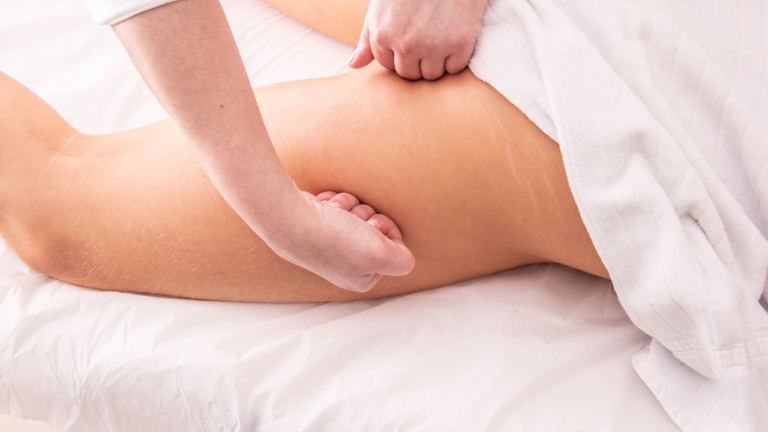
Manual lymphatic drainage (MLD) is another key component of lipoedema treatment options.
This specialised therapy uses gentle massage techniques designed to encourage lymphatic fluid movement.
What is Manual Lymphatic Drainage?
Manual lymphatic drainage therapy involves rhythmic, light-pressure massage movements that stimulate lymphatic flow.
MLD may help:
- Support lymphatic drainage
- Reduce swelling
- Improve comfort in affected areas
Many patients incorporate manual lymphatic drainage therapy as part of their ongoing symptom management plan. If you have decided that surgery is right for you, MLD therapy is highly recommended post-surgery!
How Often MLD May Be Recommended
Doctors or therapists may suggest regular MLD sessions depending on symptoms.
In some cases, MLD may be recommended weekly during conservative management and more frequently post-surgery.
MLD is often combined with compression therapy to support long-term management.
Lifestyle Support and Managing Lipoedema Symptoms
In addition to medical therapies, lifestyle strategies can also play a role in managing lipoedema symptoms.
Doctors may discuss approaches such as:
- Anti-inflammatory nutrition plans
- Strength and mobility exercises
- Physiotherapy support
- Weight management strategies
These approaches do not remove lipoedema tissue but may help support overall health and comfort.
Some patients also work with allied health professionals such as physiotherapists, exercise physiologists, or dietitians as part of their care plan.
Types of Lymphatic Drainage for Lipoedema
| Type of Therapy | What It Involves | How It Supports Lipoedema |
|---|---|---|
| Manual Lymphatic Drainage (MLD) | Gentle, hands-on treatment performed by a trained therapist using light, rhythmic movements to encourage lymphatic flow. | A key part of Lipoedema management, helping to reduce fluid build-up, support comfort, and prepare tissue before and after surgery. |
| Simple Lymphatic Drainage (SLD) | A simplified version of MLD that patients can learn and perform at home. | Supports consistency between appointments and empowers patients to manage symptoms as part of their daily routine. |
| Compression Therapy (with MLD) | Flat-knit, medical-grade compression garments worn to support lymphatic movement and reduce fluid build-up. | An essential part of conservative management and surgical preparation, often used alongside MLD. |
| Intermittent Pneumatic Compression (IPC) | A device that uses controlled air pressure through an inflatable garment to assist fluid movement. | May provide additional at-home support, but does not replace hands-on MLD therapy. |
| Post-Surgical MLD | Targeted MLD following procedures such as Water-Assisted Liposuction (WAL technique), focusing on swelling and recovery. | Supports healing and fluid movement, typically introduced after medical clearance as part of your recovery plan. |
Lipoedema Surgery as a Treatment Option
For some patients, doctors may discuss lipoedema extraction surgery as part of a longer-term management strategy.
Surgery is typically considered after conservative approaches have been explored and when symptoms significantly affect quality of life.
A Staged Surgical Approach
When surgery is recommended, treatment may occur in stages.
A staged approach may involve, treating both legs or arms symmetrically,performing procedures several weeks apart and monitoring recovery between surgeries.
Surgical planning is always based on individual medical assessment and patient circumstances.
Combining Treatment Approaches for Lipoedema
Most patients use a combination of lipoedema treatment strategies to manage symptoms.
This may include:
- Compression therapy for lipoedema
- Manual lymphatic drainage
- Lifestyle and rehabilitation support
- Surgical treatment when appropriate
Combining these approaches helps support long-term lipoedema management.
Starting Your Lipoedema Treatment Journey
Beginning lipoedema treatment usually starts with a structured medical assessment and discussion of symptoms.
During early consultations, patients may receive guidance on appropriate conservative management for lipoedema in addition to lifestyle strategies for managing sysmptoms. Patients will also be told whether further diagnostic testing may be helpful.
Understanding Your Options
Understanding your options is an important step in managing lipoedema, but you don’t have to navigate it alone.
With the right guidance and a structured approach to conservative care, many patients are able to better manage symptoms and feel more in control of their condition.
At Lipoedema Surgical Solution, this begins with a telehealth-first process designed to provide clarity, support, and a personalised plan, with in-person care at our Gold Coast clinic if and when it’s needed.