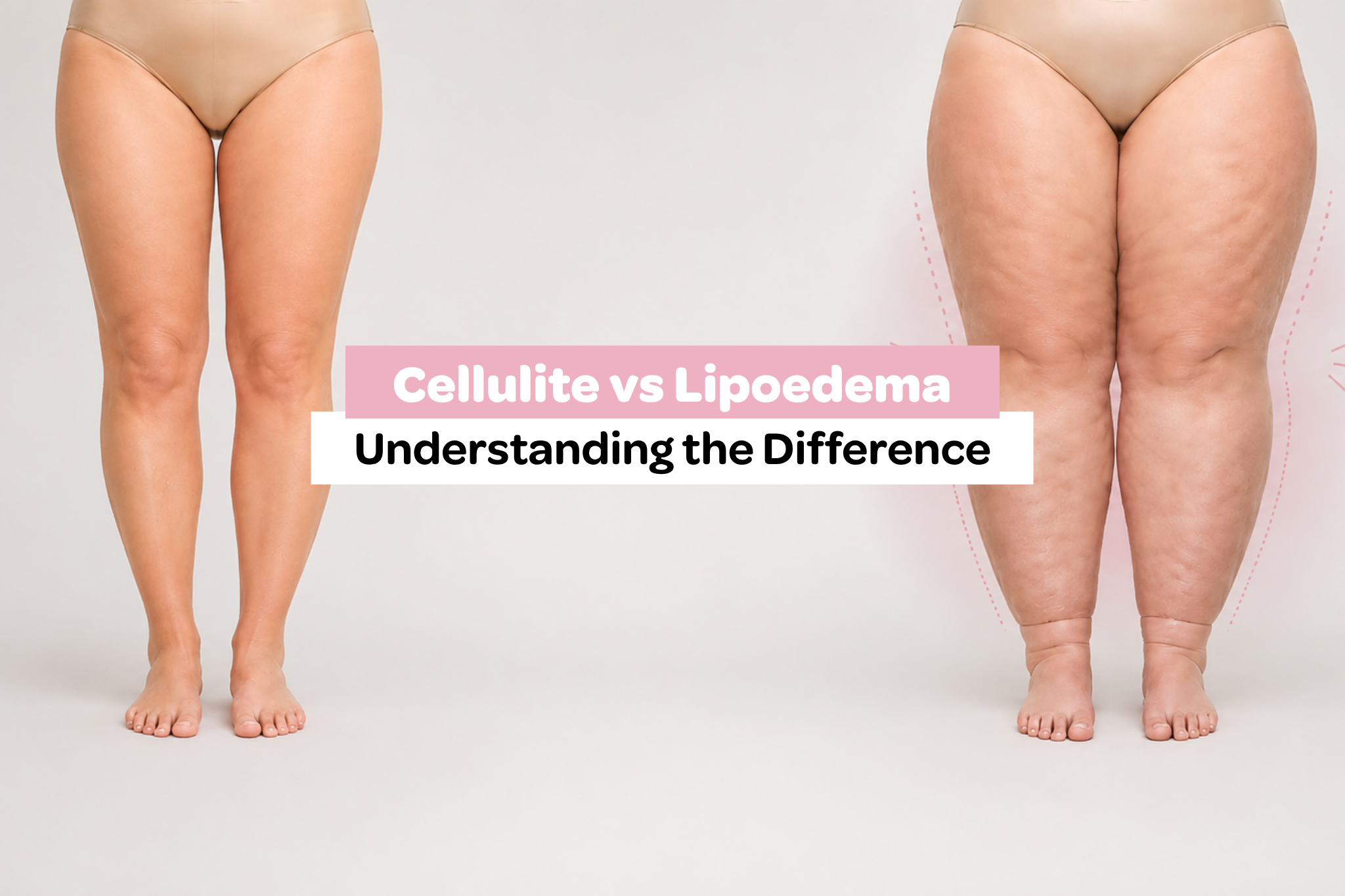
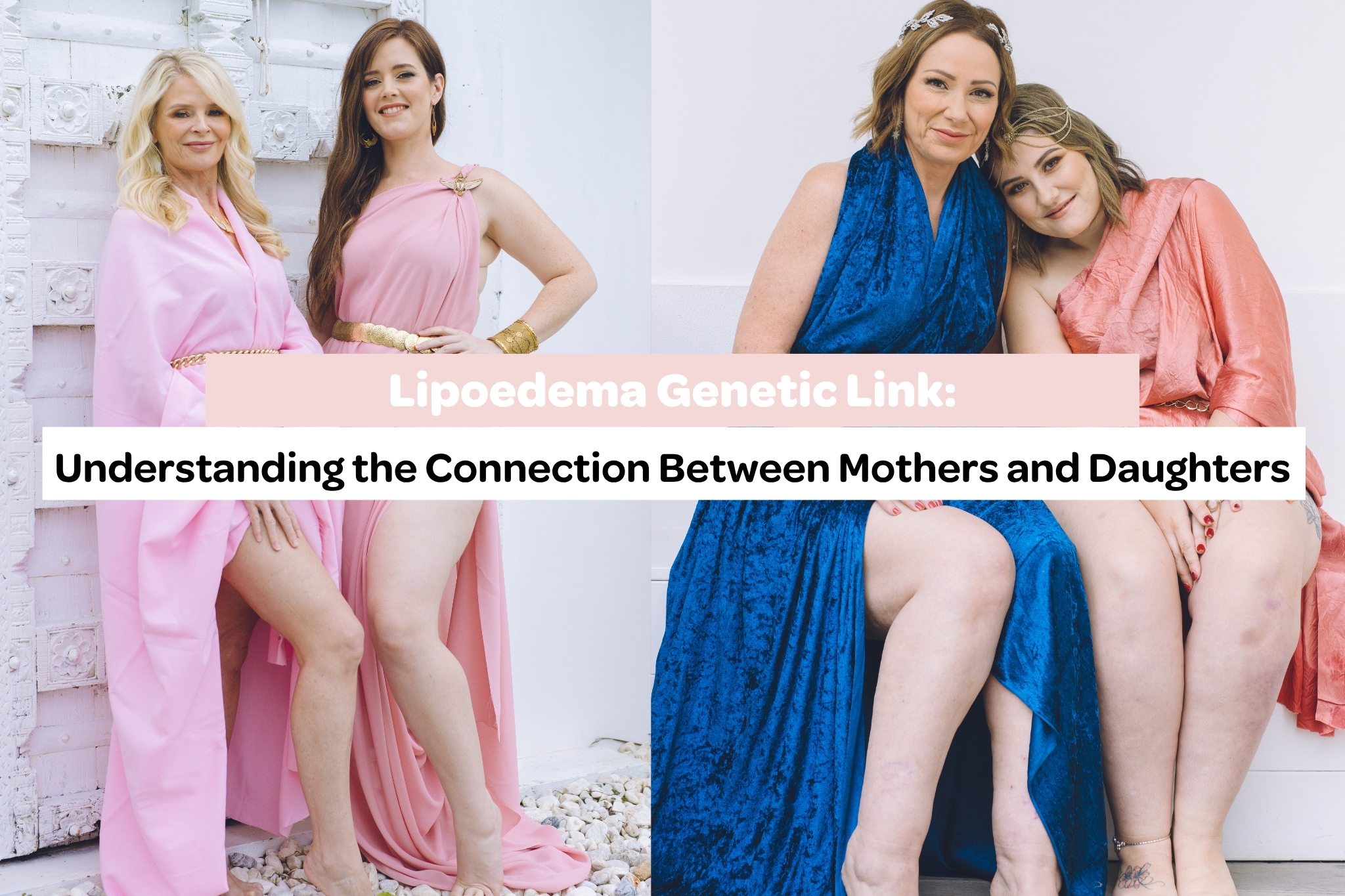
For many women, the path to understanding lipoedema begins with a moment of recognition — looking at a photograph of their mother, or watching their daughter’s body change in adolescence, and realising that what they are seeing is familiar.
Lipoedema often runs in families. Understanding this genetic connection can bring clarity and compassion across generations, helping women feel less alone in their experience and more confident in seeking answers.
Understanding the Lipoedema Genetic Link
Lipoedema is a chronic condition characterised by a buildup of fat tissue, most commonly in the hips, thighs, buttocks, legs, and sometimes the arms. It is often associated with tenderness, swelling, and mobility challenges over time.
One of the most significant — and least talked about — aspects of lipoedema is how frequently it appears across generations of women in the same family.
Many women share stories like these when they first begin researching the condition:
- “My mum always had the same legs as me.”
- “My grandmother had similar symptoms but was told it was just weight.”
- “My daughter is starting to show the same changes I had at her age.”
Because awareness of lipoedema has historically been low, many women in previous generations were never diagnosed. Instead, they may have spent decades believing their symptoms were simply the result of weight gain, poor lifestyle choices, or ageing. Today, increasing awareness is helping families recognise these patterns earlier — and understand what they may actually mean.
Why Lipoedema Often Appears in Women
Lipoedema almost exclusively affects women and often develops or worsens during times of hormonal change, including:
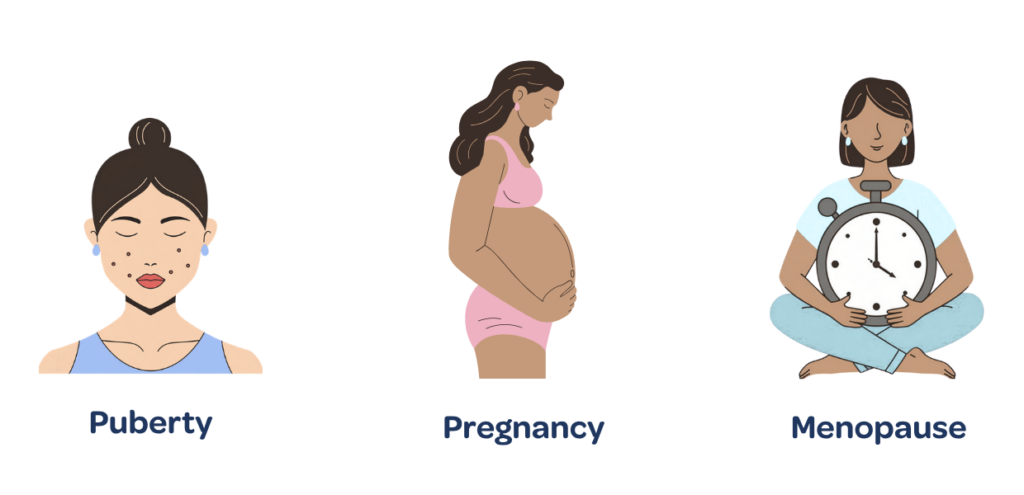
These hormonal triggers may help explain why symptoms can appear at similar life stages across generations of women in a family. A mother might remember her legs changing during adolescence and later recognise the same pattern in her daughter. Understanding this connection can help families approach the condition with knowledge rather than confusion or self-blame.
Our Mothers Didn't Have the Information We Have Today
Many women who grew up living with lipoedema symptoms did so in a time when the condition was rarely discussed — even within medical education. In Australia, no specialist medical college curriculum included formal training specific to lipoedema, which means many healthcare providers have historically had limited exposure to the condition.
As a result, women may have spent years being told their symptoms were due to weight or lifestyle factors, with no pathway to a more accurate explanation.
It is worth approaching these experiences with gentleness and understanding. A mother who was never diagnosed may have been navigating a condition that no one — including her doctors — had the language to explain.
Building Awareness Across Generations
One of the most meaningful things families can do today is build awareness across generations. When women recognise the signs of lipoedema earlier, they may be able to explore management strategies that support their long-term health and wellbeing.
Conservative management approaches are often discussed during early consultations and may include options such as flat knit compression garments, manual lymphatic drainage (MLD), and supportive lifestyle strategies. Every patient’s situation is different, and any approach would be discussed individually with a treating doctor.
Supporting Daughters with Knowledge and Compassion
If lipoedema is present in a family, daughters may benefit from understanding early signs, learning about supportive lifestyle approaches, and feeling validated if they notice changes in their bodies during hormonal transitions.
Early awareness does not mean assuming someone has the condition. But it can help daughters feel supported rather than confused and reduce the years of uncertainty that many women in previous generations experienced.
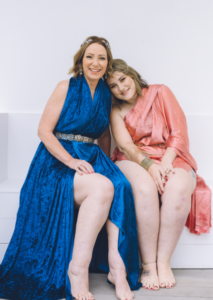
The Emotional Weight of Recognition
For many women, discovering that lipoedema may explain their experience — and their mother’s — can be an emotional moment. It can bring up years of frustration, misdiagnosis, body image challenges, and feeling unheard in medical settings.
Recognising the possibility of a genetic connection can help families replace self-blame with compassion. A mother may find relief in understanding that what she struggled with silently is now being better recognised. A daughter may feel a sense of clarity in knowing that her experience has a medical explanation.
Learning More
For women who want to explore further, speaking with a doctor who has experience with lipoedema is a helpful first step. At Lipoedema Surgical Solutions, we offer an accessible starting point through online group information sessions followed by a telehealth consultation, where your doctor will review your presentation and discuss whether your symptoms may be consistent with lipoedema.
Awareness Is a Gift Across Generations
The generational nature of lipoedema means that understanding it doesn’t just benefit one woman, it can change the experience of the women who come after her. Awareness is one of the most powerful things a family can offer to ensure that future generations don’t have to spend years searching for answers.