For many women living with lipoedema, perimenopause can feel like a sudden shift in a condition they may have spent years learning to manage. Bodies that once felt predictable can begin to change in unfamiliar ways, often without a clear explanation.
At Lipoedema Surgical Solution, we often hear from women who describe perimenopause and menopause as the point at which their symptoms became more noticeable, more painful, or more difficult to control. These experiences are not uncommon, and they are not imagined.
Understanding Lipoedema Beyond Weight and Age
Lipoedema is a chronic fat disorder that almost exclusively affects women. It is characterised by an abnormal and often painful accumulation of fat, most commonly in the legs and sometimes the arms, that does not respond to diet or exercise in the way typical body fat does.
Despite affecting an estimated 1 in 10 women, lipoedema is frequently misunderstood. Many women spend years being told their symptoms are related to weight, lifestyle, or ageing, long before they receive an accurate explanation for what they are experiencing.
The Hormonal Pattern Seen in Lipoedema
Although research into the exact cause of lipoedema is ongoing, a clear pattern has emerged over time. Symptoms often first appear or worsen during periods of significant hormonal change, such as puberty, pregnancy, perimenopause and menopause.
This has led clinicians and researchers to explore the role of hormones — particularly oestrogen — in how lipoedema develops and progresses. Oestrogen is known to influence fat distribution, inflammation, connective tissue health, and fluid balance, all of which are relevant to the way lipoedema behaves in the body.
What Makes Menopause Different?
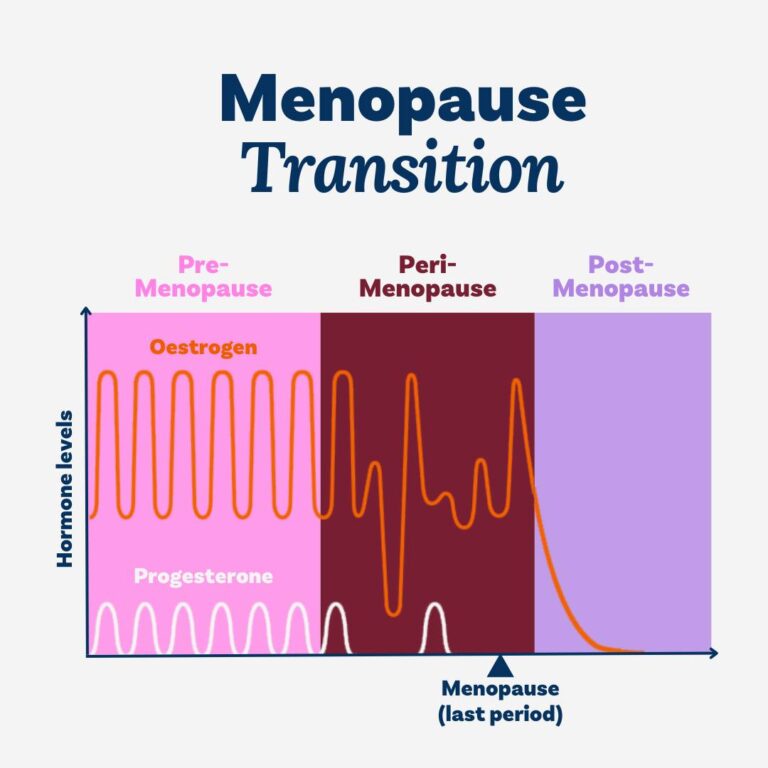
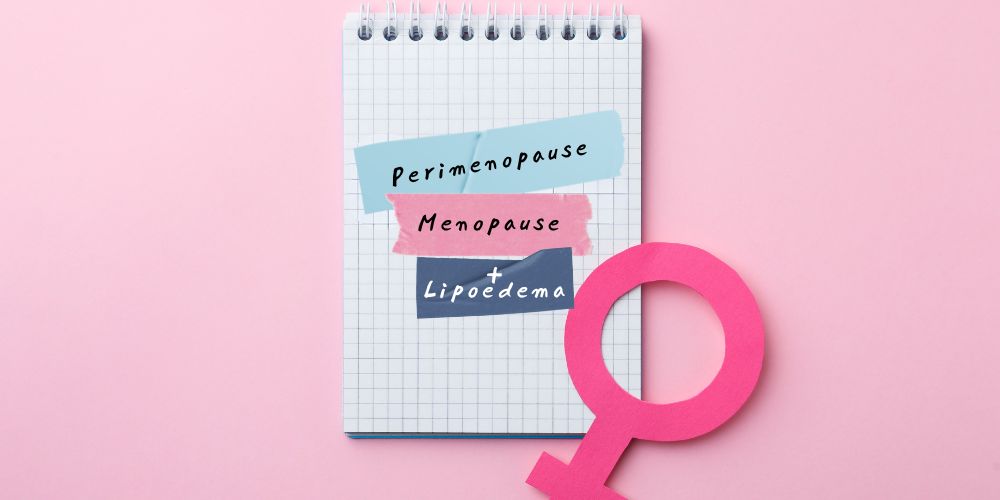
Menopause is not a single event, but a gradual transition through perimenopause marked by fluctuating and eventually declining hormone levels. During this time, many women notice changes in how their bodies store fat, manage fluid, and respond to inflammation.
For women with lipoedema, these shifts can place additional strain on tissues that are already vulnerable. Some women notice a slow progression, while others experience more rapid changes that feel sudden and difficult to explain.
How Lipoedema Symptoms May Change During Perimenopause and Menopause
During perimenopause and menopause, women with lipoedema often describe an increase in pain, heaviness, or swelling in their affected limbs. In some cases, there may be noticeable changes in limb size, even when overall body size remains relatively stable.
These changes can be distressing, particularly when they occur despite consistent exercise, careful nutrition, and long-standing management strategies. Many women describe a sense of losing control over a condition they previously felt they understood.
Why These Changes Are Often Misattributed
Unfortunately, symptoms that arise during perimenopause are frequently attributed to ageing or “menopausal weight gain.” This can lead to lipoedema being overlooked at a time when the condition may be progressing.
When pain, swelling, or disproportionate fat changes are dismissed, women may delay seeking support or feel discouraged from asking further questions. Understanding that perimenopause and menopause can be a period of increased vulnerability for lipoedema is an important step toward more informed care.
Supporting Your Body Through This Transition
While perimenopause and menopause can present new challenges, it can also be an opportunity to reassess and refine lipoedema management. Support during this stage is often most effective when it is individualised and considers both hormonal change and disease progression. Many women find they need to make significant lifestyle changes during this period of their life, and require increased support from their families and communities, even without lipoedema.
Lipoedema management may include conservative measures such as compression, lymphatic support, focus on nutrition, and tailored movement, alongside careful monitoring of symptoms. For some women, particularly those experiencing significant progression or reduced quality of life, surgical treatment may be discussed as part of a broader treatment plan.
When It May Be Time to Seek Advice
If you notice that your lipoedema symptoms are changing rapidly, becoming more painful, or interfering with daily life during menopause, seeking assessment can help provide clarity.
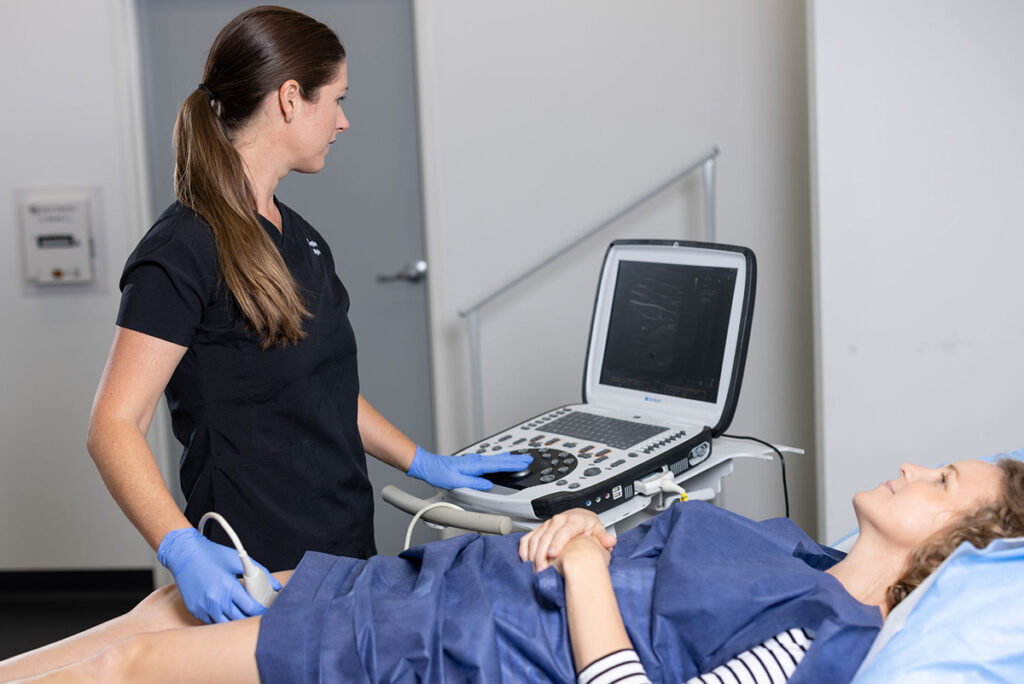
An experienced team can help determine whether changes are consistent with disease progression, hormonal influence, or other contributing factors, while guiding you through appropriate next steps.
Menopause does not cause lipoedema, but it can influence how it presents.
If this stage of life has brought new challenges, it does not mean you have done anything wrong. It means your body is changing, and it deserves understanding, patience, and informed care.
At Lipoedema Surgical Solution, we are committed to supporting women through every stage of their journey.